





Key Takeaways:
For decades, American beauty culture has been shaped by the gravitational pull of the two major cultural capitals: New York and Los Angeles. But in the years following the pandemic, as people moved away from the coasts, the country’s cultural center of gravity has begun shifting toward the middle of the map.
LONA, a new skincare brand debuting in March out of Austin, Texas, positions itself at the intersection of that cultural shift. Founded by beauty industry veterans Annie Vallely and Kathryn Bain, LONA is building a skincare brand inspired by the lifestyles, landscapes, and consumers emerging beyond the traditional coastal beauty hubs.
“I was raised in Texas, and Kathryn grew up in the Midwest, but we both built our careers in industries that are inherently about excess and always wanting more, more, more,” Vallely, co-founder and CEO of LONA, told BeautyMatter. “We both thrived in that world until the pandemic forced everyone to rethink what balance looks like. When I moved back to Texas, I realized how many people were also searching for the same shift.”
The founders believe beauty has been slow to reflect the changing geography of influence in America. Much of the industry still centers its aesthetic around coastal lifestyles, as seen in California-inspired brands like Tower 28 and Caliray, or iconic New York City brands like Glossier and D.S. & Durga. But Vallely and Bain see a growing cultural and commercial opportunity among consumers driving trends far beyond those traditional hubs.
“For a long time, there’s been a narrow narrative about what Middle America looks like, and that consumer has often been overlooked or underestimated,” said Vallely. “Today, there are sophisticated, multifaceted women living everywhere who want to see themselves reflected. These are women who have taste, who follow trends, and still want beauty to feel effortless and fun.”
LONA’s answer is what the founders call “adaptive skincare from the West,” a tightly edited lineup of hybrid formulas built around desert botanicals like prickly pear and blue agave, paired with science-backed active ingredients. The brand is launching with just three SKUs, each designed to collapse multiple steps into one: a serum-moisturizer hybrid, a cleansing exfoliating powder, and a balm that works for lips, eyes, and dry spots.
Ahead of its DTC launch, LONA previewed the brand locally through a partnership with Hotel Magdalena, part of Austin-based Bunkhouse Hotels. The brand launches direct-to-consumer on March 12, followed by an online debut with Free People and FP Movement on April 10, ahead of its nationwide retail expansion to Credo Beauty across all US doors and online on May 7. BeautyMatter sat down with the two founders ahead of LONA’s launch to discuss the cultural shift behind the brand and the overlooked consumer they believe is shaping beauty’s next chapter.
Going Back to Their Roots
Before LONA, Vallely and Bain spent most of their careers in New York City building beauty and lifestyle brands. After earning her MBA, Vallely joined Johnson & Johnson, where she worked across Neutrogena and Aveeno. In 2018, she joined Hatch, a maternity lifestyle and skincare brand, where she helped build the brand’s beauty division and guide everything from product development to manufacturing to retail strategy. Later, as Head of Marketing for KORA Organics, she helped reinvigorate the brand’s North American business, driving sustained double-digit growth.
Bain is a longtime creative director and spent years shaping brand identities behind the scenes for brands like Elemis, KORRES, Sweaty Betty, and TULA Skincare. She served as fractional creative director at TULA Skincare during the brand’s rapid expansion and eventual acquisition by Procter & Gamble in 2022. The two met while working together at Hatch, where Bain handled creative, and Vallely led brand strategy and operations. Their partnership continued when Vallely later hired Bain to help reposition KORA Organics.
The idea for LONA took shape during the pandemic, when both founders’ lives and perspectives shifted after leaving New York City. Vallely returned home to Texas in 2020, and around the same time, Bain (who spent most of her childhood in Ohio) began spending more time in the mountains of upstate New York.
Remote work reshaped where people live and work, dispersing cultural influence that was once concentrated in major cities. Texas has been one of the biggest beneficiaries of that shift. In 2025, the state recorded the largest numerical population increase in the country for the third consecutive year. According to U.S. Census data, Texas gained 391,243 residents between June 2024 and July 2025, bringing its total population to an estimated 31.7 million, up from just over 29 million recorded in the 2020 census.
Vallely initially felt this shift when she herself moved back home to Texas and noticed other consumers and cultural tastemakers making the great pilgrimage south. Her hunch was later validated while working at KORA Organics when she noticed something surprising: Texas had overtaken New York as the brand’s second-largest market behind its home market of California.
“It was this enormous moment where I realized the consumer we had been thinking about wasn’t where we expected them to be,” said Vallely.
Bain had noted similar trends in her work. Texas was a massive market for TULA Skincare, as were other flyover states. Brands across the industry were noticing the same thing: Middle America was already buying beauty, but these consumers weren’t being spoken to directly. Many brands didn’t know how to engage those consumers authentically and came to Bain and Vallely for help.
“Brands were asking us how they can tap into this market. The consumer is already shopping, but what do they want?” Bain questioned. “It became this lightbulb moment for us. We realized—that’s who we are. Those are our friends.”
“It presented a really interesting challenge for us where we asked ourselves, ‘What does this mean for beauty, and what’s the solution?’” added Vallely.
What LONA Offers the New Beauty Consumer
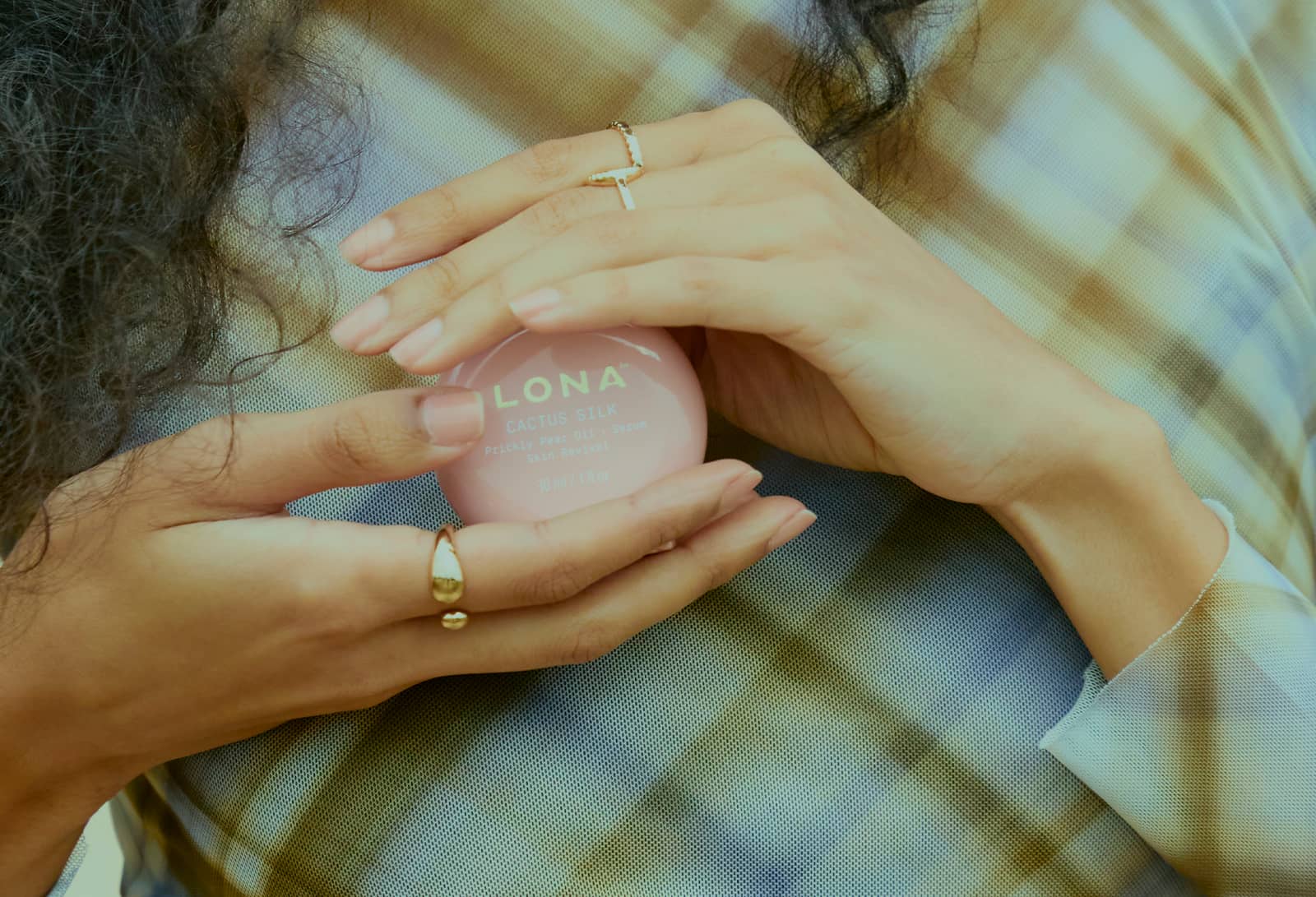
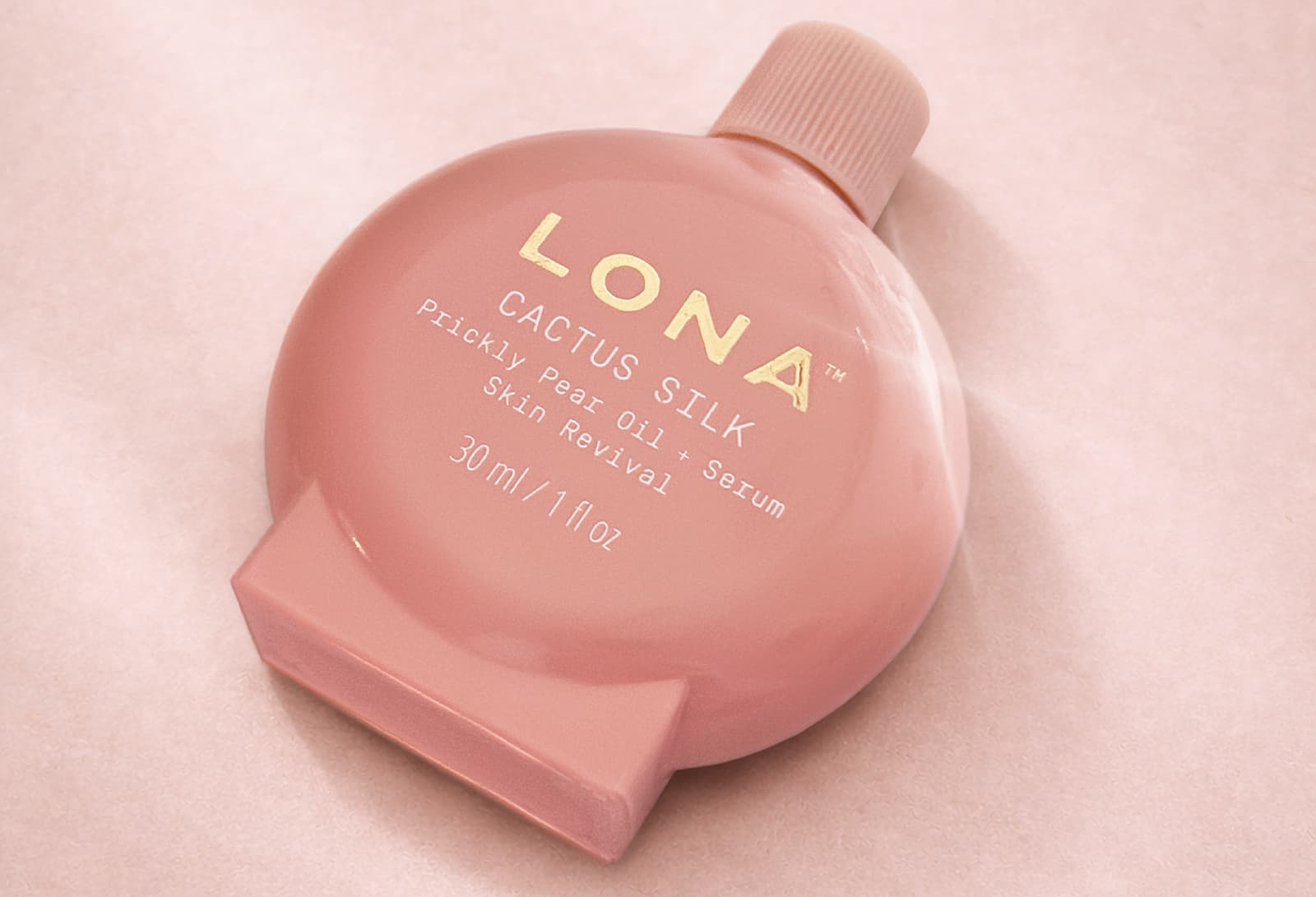
LONA launches with three core products, each designed to combine multiple steps into a single formula. The hero SKU, Cactus Silk Prickly Pear Oil + Serum Skin Revival ($48), merges the benefits of a serum and moisturizer into one formula. Powered by prickly pear oil and stem extract—botanicals known for their resilience in extreme desert climates—the formula also incorporates ceramide and hyaluronic acid for barrier repair and hydration.
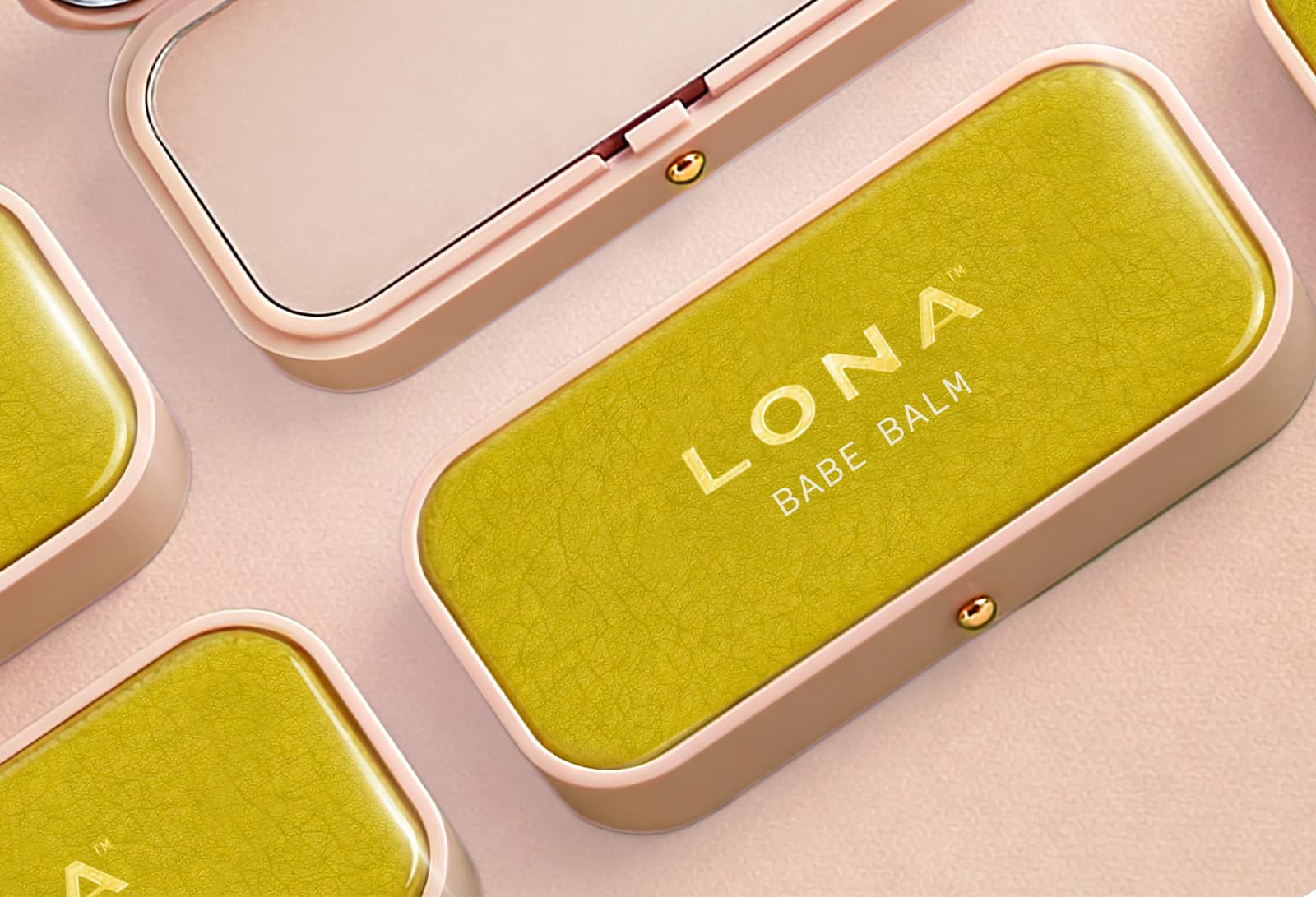
Next is Desert Dust Active Clay Cleansing + Brightening Exfoliator ($42), a water-activated powder cleanser combining kaolin and bentonite clays with lactic acid and vitamin C to exfoliate while cleansing. Babe Balm Agave Antioxidant Lip + Eye Solid Serum ($28), a multi-use balm formulated with blue agave, jojoba, calendula, ectoin, and probiotics, rounds out the initial offering, designed to nourish lips, eyes, and dry patches, according to the brand.
The brand’s approach blends Western-sourced botanicals with scientifically backed ingredients rather than relying on gimmicky blends with over-the-top marketing claims.
“We're not here to make a proprietary complex and say that it’s something new,” Vallely said. “We’re pairing plants with science our customer already knows and loves.”
While LONA positions itself as a “clean” brand, the founders say they approach the category with a practical mindset. All formulas adhere to Credo Beauty’s “clean” standards, which the founders consider one of the most rigorous frameworks in beauty. But Vallely is careful to emphasize the brand isn’t dogmatic about ingredient philosophy.
“We believe in science,” she said. “We want to be as clean as we can be, but always guided by data.”
While the formulas focus on efficiency, the packaging and visual identity lean into playfulness: the serum comes in a pink canteen; the exfoliating cleanser in an antique-gold twist-and-shake bottle; and the balm in a vintage-inspired compact. The result is packaging designed to stand out on shelves while still feeling timeless.
“We needed it to pop off the shelf, because there's a lot of sameness happening in beauty right now,” said Bain, who serves as co-founder and Chief Creative and Brand Officer at LONA. “These unique forms make it feel like the products are collectibles and like they're things to be saved—not thrown away.”
She drew inspiration from utilitarian objects associated with the American West. The green and pink color palette comes from the prickly pear cactus and also nods to the landscapes of Texas and the broader Southwest.
“We wanted it to feel Western without saying Western,” Bain said. “We want somebody in Texas to love the packaging, but also someone in upstate New York to appreciate it as well.”
The consumer they’re designing LONA for sits at the cusp between Gen Z and millennials, a group Vallely calls “the center of influence in beauty” right now. But unlike earlier generations shaped by hustle culture and urban career ladders, this consumer is rewriting the rules that millennials once felt chained to. Gen Z idealizes balance over excess, and it’s a trend that is working its way up the generational ladder.
Post-pandemic cultural trends show a massive shift. Approximately 21.5% of Gen Z abstain from alcohol entirely, and 39% drink only occasionally. A new report from the Bank of America Institute finds that Gen Z and millennials are drinking less and working out more to prioritize wellness. This cohort is also adopting slower-paced social habits: according to OpenTable data, earlier dinner times are trending among Gen Z and millennials, with 53% of Gen Z and 51% of millennials preferring 5 and 5:30 p.m. reservations. Sewing, scrapbooking, and pottery are increasingly popular hobbies among this group.
“They’re not chasing the same lifestyle we were when we were their age,” Vallely said. “They’ve given us this gift of balance.”
Vallely and Bain believe the modern consumer feels overwhelmed by the need to optimize every aspect of their life, including their skincare routine. LONA appeals to this desire for balance, and the brand’s product strategy revolves around hybrid formulas that reduce steps without compromising efficacy.
“We're here for the girl who just wants to wear her t-shirt, Levi's, and a jean jacket and go,” Vallely said. “LONA emphasizes life first, skin second.”
LONA’s initial launch strategy mirrors its cultural positioning. Austinites were also shown a preview of the brand at Tribeza Magazine’s 20th anniversary celebration at Hotel Magdalena on International Women’s Day. For Vallely, these collaborations reflect the kind of regional community building the brand hopes to cultivate.
“Our dream is to grow alongside the communities we’re part of,” she said.
Building a Beauty Brand with Grit
Like many early-stage beauty companies launching today, LONA’s funding strategy reflects a changing venture landscape. The founders raised $400,000 pre-launch through a mix of angel investors, strategic VC capital, and friends and family.
The brand’s primary institutional investor is Era VC, which awarded the company $100,000 after LONA won the firm’s Pitchslam competition, beating out more established brands distributed through Sephora and Target. The company is also supported by a group of strategic advisors, including Julia Straus, founder and CEO of Sincerely Yours; Jennifer Sinski, Executive Vice President at Texas-based public relations and digital media agency Giant Noise; Nalima Touré, former Global Creative Operations leader at Bobbi Brown, Coty, and Tula; and Julia Rubien, founder and CEO of Amie Social, a TikTok marketing agency that works with Sephora and Ulta Beauty brands.
Among LONA’s angel investors is Anne Kurtz, former Unilever Innovation Lead, who said the brand immediately stood out for its approach to Gen Z consumers who are growing up and evolving beyond the aesthetics often associated with youth-focused beauty brands.
“It felt so different from how many brands targeting Gen Z tend to have a very young look and all start to resemble each other,” Kurtz told BeautyMatter. “This felt like a brand that could speak to the growing-up Gen Z woman, but also someone from ages 20 to 60. It doesn’t feel limited in what it’s offering.”
Kurtz also pointed to the brand’s positioning around a different cultural perspective in beauty as part of its appeal.
“I do think the focus on the Midwest and on a different type of woman—while acknowledging that Gen Z isn’t 15 and won’t be forever—is very forward-thinking,” she said. “But it’s also done in a way that just looks cool and approachable.”
Other angel investors include Pam Scott, founder of Impact Invest Her, and Tim Koogle, the founding CEO of Yahoo, both of whom were early investors in brands including Method and True Botanicals.
For Kurtz, the brand’s combination of accessibility and timeless design also stood out.
“It felt like this could be the next kind of Clinique—very approachable products at an approachable price point,” she said. “It’s something you’d want on your shelf. You could picture it in your grandmother’s house, your mom’s house, and your own. It has this timeless, heritage feel, but still looks like something you’d actually want to use.”
The founders say building a brand today requires a different playbook than it did a decade ago. Success now relies less on massive early venture rounds and more on disciplined growth, operational rigor, and community support.
Fortunately, Bain and Vallely say the beauty industry has proven surprisingly collaborative. Many established beauty brand founders have taken calls with them after a little more than a cold email.
“The beauty community is incredibly supportive,” Vallely said. “Things are different from when a lot of the brands we grew up with were raising money. The equation has changed. The rocket fuel that once launched many of those brands isn’t necessarily the same one this new class of companies will have.”
A Cultural Bet on the American West
For Bain, the brand’s primary message is the importance of resilience. “The most resilient protective plants come from the desert, like prickly pear and blue agave, and the products are made for a woman who is equally as adaptable,” she said. “Texans and people from the Midwest are incredibly practical and resilient, but they also deserve to feel culturally seen. Now it’s finally her moment.”
Vallely sees LONA as an opportunity to highlight the many cultural influences that shape the modern West, from Indigenous communities to Black rodeo culture and other traditions that rarely appear in mainstream beauty narratives.
“There are so many cultural stories that contribute to what we call Western today,” she said. “Our goal is to celebrate multifaceted women from every corner of the country.”